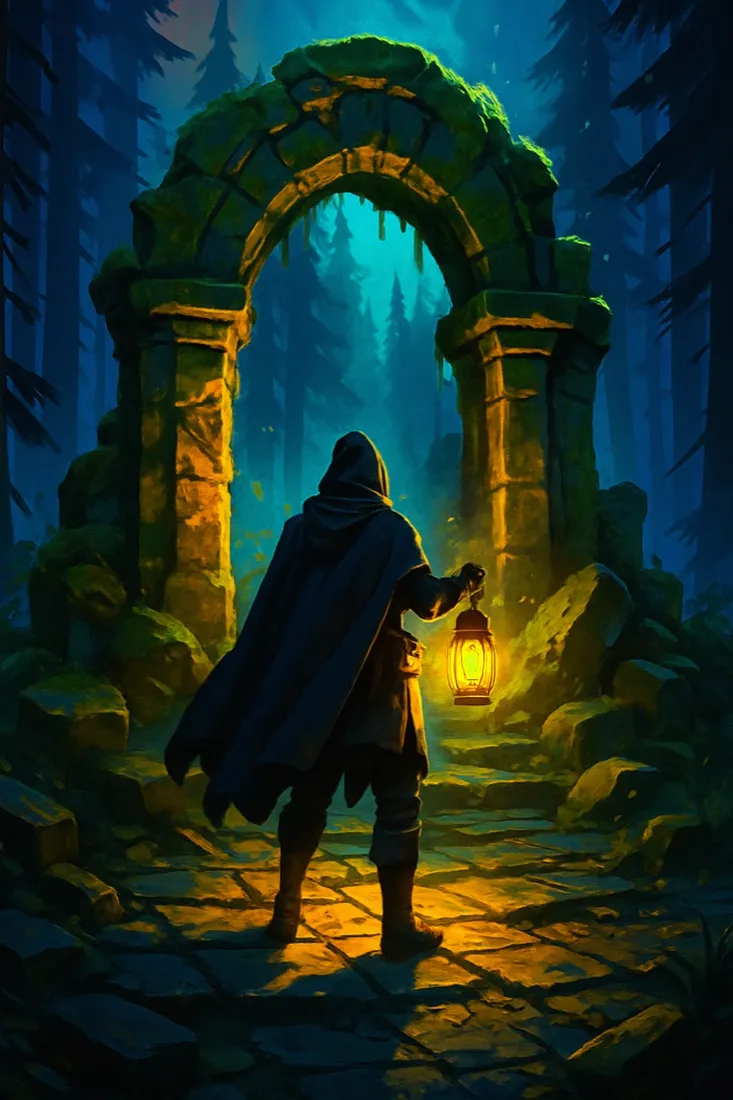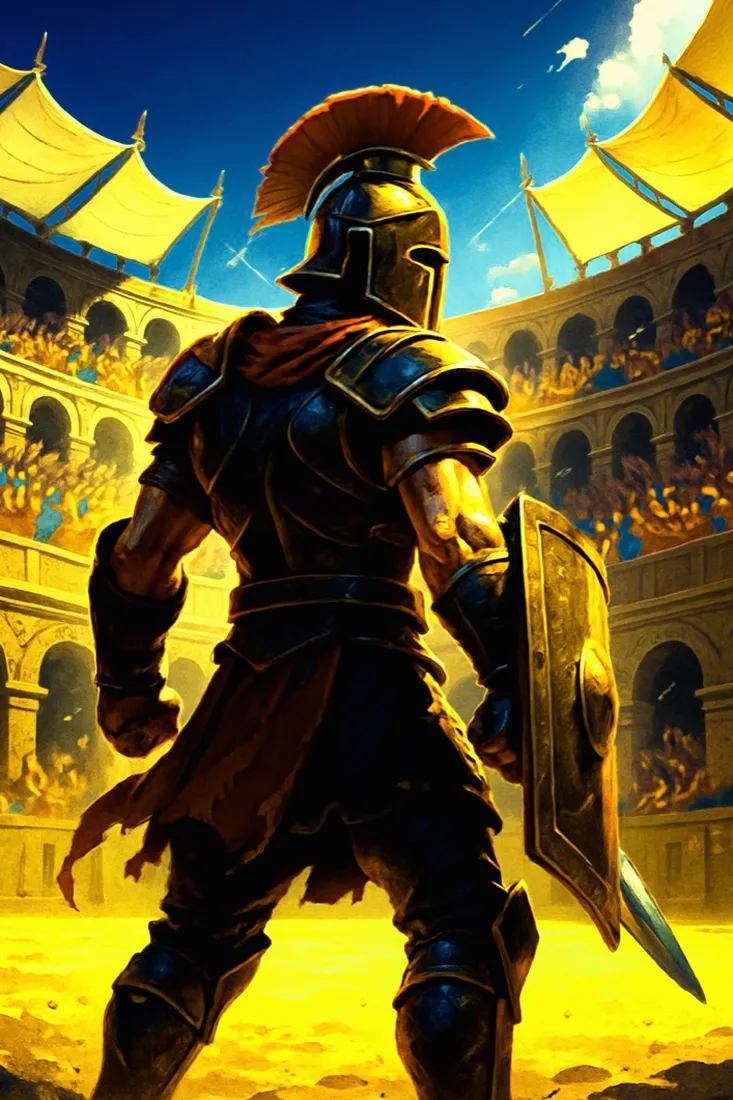
Gladiatus places you in a vast Roman Empire that, in Gameforge's words, combines history, legend and fantasy. You are a gladiator with a name to make, and the route to making it runs through expeditions, dungeons and arenas. The setting is the game's best asset: sand, bronze and crowds give a familiar loop a flavour that the generic fantasy games on our shelf cannot quite match.
Like Shakes & Fidget and Tanoth, Gladiatus runs on the clock. Expeditions tick down in real time and come back with gear and gold; arena rounds against other players resolve automatically. You make your decisions in the armoury and the stats screen, then let the fight play out. It is a game of preparation, and of short, frequent visits.
Expeditions beyond the city walls
Expeditions are the daily bread of Gladiatus. You head out into the empire's regions, face what you find, and return with experience, gold and equipment. Gameforge promises over a hundred unique opponents, each with strengths and weaknesses, and learning which ones suit your current build is a small, ongoing puzzle.
Because expeditions run on timers, the game fits neatly into a working day. You check in, send your gladiator out, and come back later. It never becomes a long session, which is either its great strength or its great limitation, depending on what you want from an RPG. We found it worked best as a background habit rather than an evening's entertainment.
Sand, steel and someone else's gladiator
The arena is where Gladiatus earns its name. You fight other players in rounds that resolve automatically, so victory depends on the character you have built and the gear you have equipped. Climbing the ranking is the game's long-term motivation, and seeing your name rise is genuinely satisfying, as is finally beating a rival who has bested you several times.
Automatic resolution does mean the arena is about planning rather than skill in the moment. Some players find that freeing; others find it hollow. If you love tweaking equipment and attributes to beat a specific opponent, it is absorbing. If you want to swing the sword yourself, look at Drakensang Online instead.
Armouries, markets and a thousand items
Gameforge describes over a thousand different items, and equipment is central to everything. Gear from expeditions and dungeons shapes your character, and the player market lets you trade for what you lack. Paying attention to the market is a good way to fill gaps in your kit without endless grinding.
Dungeons hold the rarer loot and offer a more substantial challenge than everyday expeditions. Clearing one feels like an occasion. Guilds let you combine your strengths with friends, and they give the competitive side of the game a welcome team dimension. A good guild makes Gladiatus feel far less lonely.
Where the shop presses hardest
Gladiatus is the game on our shelf where the premium side is most noticeable. Its shop offers ways to hurry timers and strengthen characters, and in a game built on direct competition, that matters. Free players can progress and enjoy themselves, but the top of the arena ranking is a hard place to reach without spending or a great deal of time.
We have scored that honestly. It does not make Gladiatus a bad game; the core loop is tidy and the Roman flavour is enjoyable. It does mean you should play it for the pleasure of improving your own gladiator rather than for the ranking itself. Set your own goals and it becomes a much happier place.
A first week with Gladiatus
- Run expeditions steadily in the first regions to build experience, gold and a basic set of equipment.
- Raise attributes with a plan; decide early whether you are building for strength, defence or agility.
- Try the arena once your gear improves, and study opponents who beat you to see why.
- Check the player market before selling items, so you understand what equipment is really worth.
- Join a guild for company and advice, and attempt your first dungeon with sensible gear.
What we love
- Roman setting gives a familiar loop a distinctive flavour
- Short timed expeditions fit easily into a busy day
- A competitive ranking that gives long-term motivation
- Large catalogue of items to collect and trade
What grates
- The shop matters most here, especially near the arena's top end
- Auto-resolved fights leave little to do once battle begins
- Long-term loop can feel repetitive after a few weeks
Is Gladiatus your sort of game?
Competitive players who enjoy preparing a character and seeing it measured against others, and anyone charmed by a Roman setting. Best for short, regular visits, and for people happy to set their own goals rather than chase the very top.
Gladiatus, weighed up
Gladiatus is a tidy, competitive timer RPG with a setting that lifts it above the generic. Expeditions are easy to fit into a day, the arena gives you rivals to chase, and the market rewards attention. The shop presses harder here than anywhere else on our shelf, which keeps it at the bottom of our ranking. Play it for your own gladiator's story, and it entertains.